Short Drama
A Murderous Affair in Horizon Tower: One Death, Sixteen Testimonies
A locked-tower mystery where the building itself is the suspect.
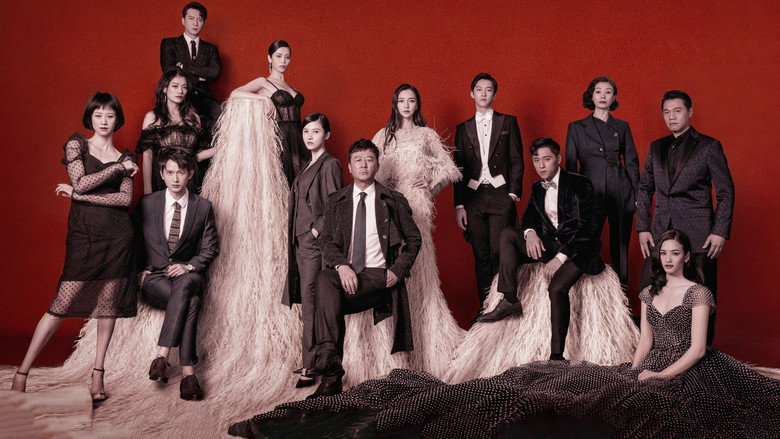
At a glance
- Chinese title
- 摩天大楼 (Mótiān Dàlóu)
- Format
- 16 episodes, about 40 minutes each
- Genre
- Mystery, social drama
- Setting
- A luxury residential tower
- Official streaming
- WeTV, iQIYI (region dependent)
- Best for
- Viewers who like unreliable narrators
What it is about
A young woman is found dead in her apartment in a high-end residential tower. The building's residents are interviewed one by one, and each gives a version of the same evening that contradicts the last. The two detectives assigned to the case spend most of the series deciding which testimony is a lie and which is a protection.
The structure is closer to an anthology than a procedural. Each episode centres on one resident: the pianist, the architect, the cleaner, the wife, the property manager. Their accounts reveal the building as a vertical village with its own hierarchy, gossip economy and secrets that have nothing to do with the murder.
Who should watch it
Best for: viewers who enjoy character-driven mystery over action.
- You liked the small-town pressure of The Bad Kids but want an urban setting.
- You enjoy stories where testimony is the main source of suspense.
- You want a social critique wrapped in a whodunit.
Skip it if you want a fast procedural. The show is more interested in why people lie than in how the detective catches them.
Three reasons to watch
1. The building is a character
Horizon Tower is designed to look aspirational and functions like a pressure cooker. Glass walls, shared elevators, thin partitions: everyone can see and hear everyone, and privacy is a luxury the residents believe they have bought. The architecture generates the plot.
2. The testimonies are moral tests
Each resident's account is shaped by what they are protecting: a career, a marriage, a child, a reputation. The mystery works because the lies are understandable. You keep watching to find out which compromise turned into a crime.
3. The ending reframes the whole case
Without spoiling it, the final movement changes what the detectives have been investigating. It is the kind of ending that makes viewers rewatch the first two episodes, and it lands because the show spent sixteen hours earning it.
The hidden culture detail
The Chinese title uses motian (摩天), "scraping the sky", a direct translation of "skyscraper" that also carries a hint of ambition and overreach. The drama is quietly about mianzi (面子), the social face that determines how a person is treated in public. Every resident maintains a version of themselves for the neighbours, and the murder exposes the cost of that maintenance. Foreign viewers often read the testimonies as simple dishonesty; they are closer to reputation management under pressure.
How to follow the testimonies
Keep a simple list of residents and what each one claims to have seen. The show deliberately repeats details across episodes with small changes, and those changes are the clues. Pay attention to timing: who says they heard the elevator, who says they were asleep, who claims the corridor was empty.
The detectives are not geniuses, which is deliberate. They are outsiders trying to read a community that closes ranks around its own status. Their frustration is the audience's frustration, and the resolution depends on one resident deciding that the truth is worth more than the building's silence.
The residents, one by one
The building is organised by floor, and the show uses height as a class marker. The upper apartments belong to people with reputations to protect; the service floors belong to people who see everything and are never asked. That vertical map matters more than any single clue.
Four residents do most of the narrative work. The architect designed the tower and cannot stop explaining it, which makes him both useful and suspicious. The property manager knows every key and every complaint, and survives by being forgettable. The cleaner moves through private spaces and is treated as furniture, which makes her the most reliable witness in the building. The wife of a wealthy tenant performs happiness so consistently that the performance itself becomes evidence.
Each testimony hides a smaller private sin: an affair, a debt, a forged reference, a career built on someone else's work. None of these sins is the murder, and that is the point. The show argues that a community can be full of small compromises without producing a killer, and then asks which compromise finally crossed the line.
Watch how the interviews are staged. The detectives sit lower than the residents in almost every scene, a visual reminder that authority in this building is rented, not owned.
What the ending is really asking
The final episodes stop treating the case as a puzzle and start treating it as a question about responsibility. Every resident contributed something: a silence, a rumour, a decision not to intervene. The show's answer is that a death in a building full of people is never the work of one person alone, and it refuses to let the audience settle on a single villain.
That makes the series unusually generous to its characters. Even the residents who lie badly are given a reason the audience can understand, and the detectives end up more interested in what the community will admit than in who goes to prison.
Where to watch
Licensed internationally through WeTV (Tencent) and iQIYI. For another short mystery about a community closing ranks, read our The Long Night guide.
Where to watch officially
These buttons open the licensed platform's own search page for this drama. Availability changes by country, so the platform page is the final word on subtitles and regions.
No torrents, mirrors or Google Drive copies. If a link ever lands somewhere unofficial, tell us at [email protected] and we will replace it.