Format guide
Short Drama: Chinese Stories That Respect Your Time
Ten-minute episodes or twelve-episode seasons. Short Chinese drama is the fastest way into the format.
"Short drama" covers two different things in Chinese television, and both are worth your evening. The first is the duanju (短剧), a vertical mini drama with episodes of ten to fifteen minutes and a total runtime of about three hours. The second is the short series: twelve to sixteen episodes of forty or fifty minutes, usually a single case, a single town and a single ending.
Both formats solve the same problem. A forty-episode costume drama demands a month of your life; these demand a weekend. What you lose in scale you gain in density: mini dramas cannot afford filler, and short series are usually written as one closed story rather than a season designed for renewal.
The guides below cover both shapes. Each one includes a plot introduction, a clear audience label, three reasons to watch, one cultural detail the subtitles miss, and official licensed viewing links. Mini dramas are labelled by episode count, so you always know what you are starting.
 Short drama
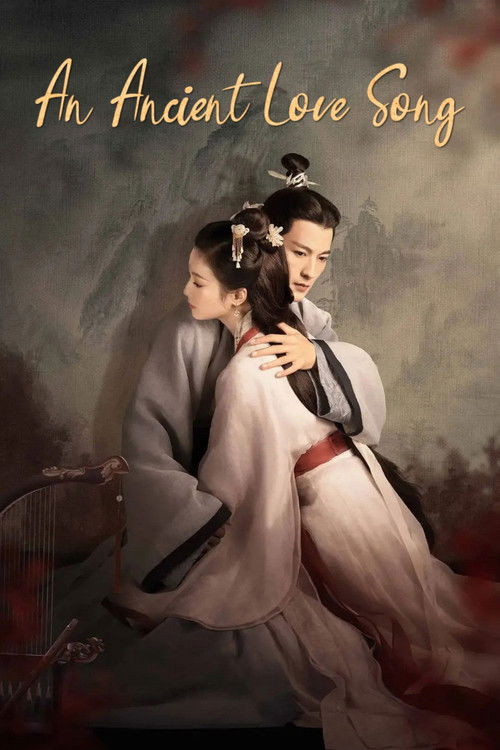
An Ancient Love Song
A historian falls into a dynasty's last years and meets the woman history remembers as a tyrant.
 Mini drama
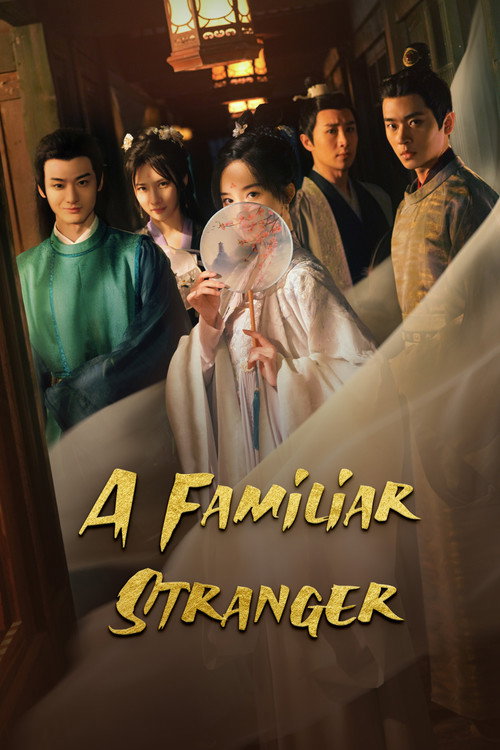
A Familiar Stranger
A painter is forced to swap faces with a minister's daughter on the eve of a political marriage.
 Short series
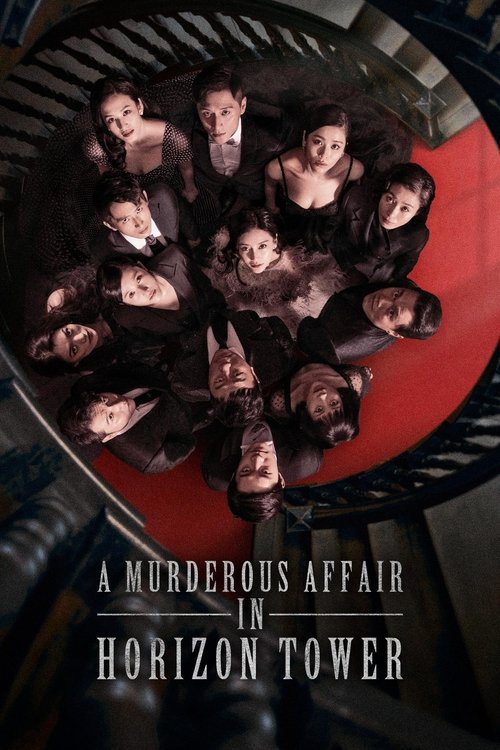
A Murderous Affair in Horizon Tower
A woman is found dead in a luxury tower, and every neighbour tells a different version of the same night.
 Short series
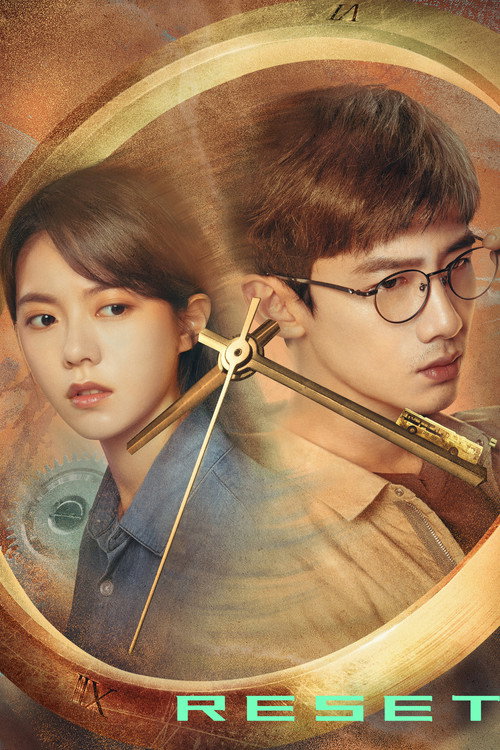
Reset
A student and a game designer are stuck in a time loop on a bus that is about to explode.
 Short series
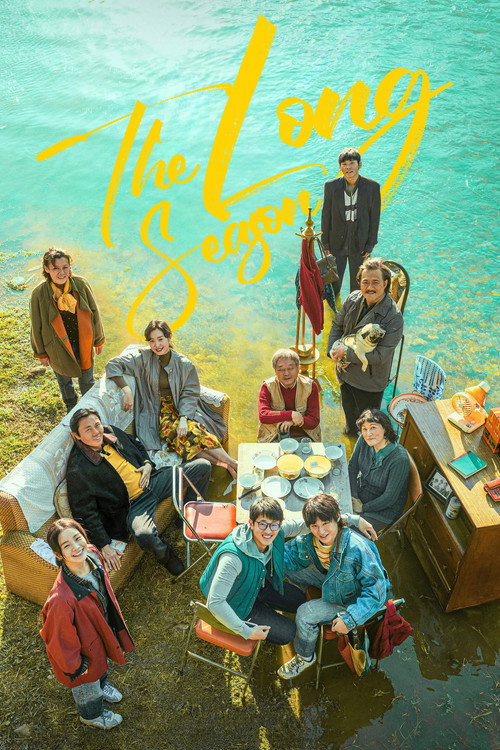
The Long Season
A retired train driver keeps returning to the same unsolved case in a dying industrial town.
 Short series
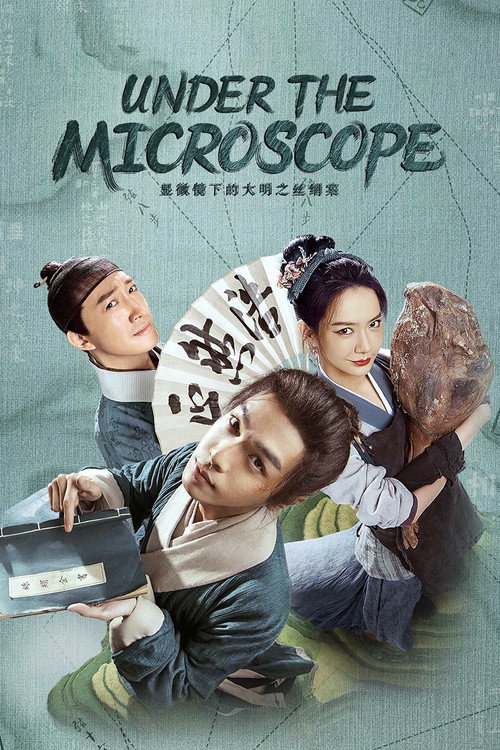
Under the Microscope
A mathematician in Ming China finds a tax error that powerful families would kill to keep buried.
Which short drama should you start with
If you want the purest example of the format, start with A Familiar Stranger: eighteen episodes of about twelve minutes, a complete revenge plot and a face swap that creates real danger. If you prefer prestige television, The Long Season is the best-reviewed Chinese drama of its year and still only twelve episodes.
For viewers who like puzzles, Reset is the safest entry point: no historical knowledge required, fifteen episodes, one closed loop. And if bureaucracy is your idea of a thriller, Under the Microscope turns a Ming tax error into fourteen episodes of institutional suspense.