Chinese Donghua
The Daily Life of the Immortal King: Overpowered and Bored
A parody of cultivation tropes that works even if you have never seen one.
At a glance
- Chinese title
- 仙王的日常生活 (Xiānwáng de Rìcháng Shēnghuó)
- Format
- Animated series, multiple seasons
- Setting
- A high school for cultivators
- Genre
- Comedy, school, fantasy
- Official streaming
- Netflix (region dependent)
- Best for
- Casual comedy viewers
What it is about
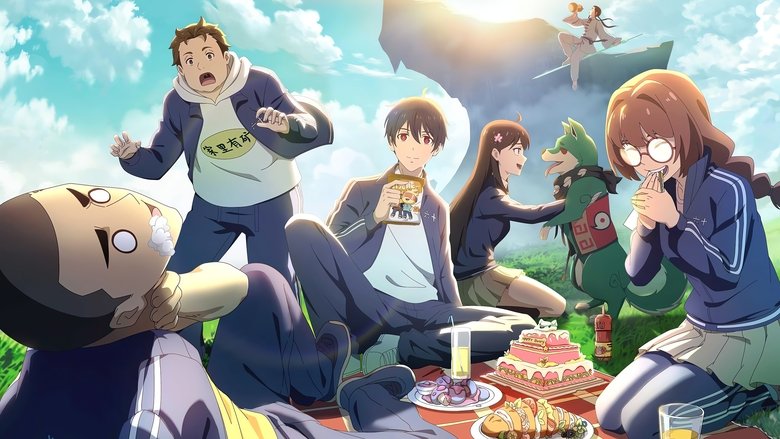
Wang Ling is a high school student with enough power to flatten a city. He would rather not use it. The series follows his attempts to live an ordinary school life while a parade of monsters, rivals and bureaucrats keeps interrupting.
It is a sitcom with cultivation aesthetics: short arcs, running jokes and a cast of classmates who are constantly surprised by how boring he finds their crises.
Who should watch it
Best for: viewers who want light comedy and do not want to learn a complicated magic system.
- You liked the deadpan OP protagonist of One Punch Man.
- You want a Chinese animation with short, low-stakes episodes.
- You are watching on a phone or between other shows.
Skip it if you want emotional depth or a serialised plot.
Three reasons to watch
1. The premise is a good joke
Every cultivator drama is about getting stronger. This one is about a boy who is already strong enough and finds it inconvenient. That inversion carries a lot of the comedy.
2. The school setting is familiar
Exams, clubs and classroom politics are universal, which makes the show easy to follow even if the fantasy references go past you.
3. It is genuinely low-effort
Episodes are short and self-contained. It is a good show to watch while eating, which is a legitimate category of television.
The hidden culture detail
The show is a parody of the xianxia genre's obsession with rank. In a typical cultivation story, power levels are everything, and every encounter is a status contest. Wang Ling's refusal to compete is funny because it breaks that rule. Chinese viewers recognise the joke immediately, because they have seen hundreds of stories where a teenager spends fifty episodes trying to reach the next realm.
Why the joke is really about rank
Cultivation fiction is obsessed with hierarchy. Every character knows their level, every fight is a status contest, and the plot is usually a ladder. Wang Ling's comedy works because he is at the top of the ladder and finds it boring. The joke is not that he is strong; it is that everyone around him is still climbing.
That inversion lets the show satirise the genre without abandoning it. Exams, rankings and tournaments still happen, but Wang Ling treats them as chores. His classmates panic about promotion; he worries about lunch. For viewers who have watched a hundred episodes of people fighting to reach the next realm, the relief is genuine.
The school setting does most of the heavy lifting. Clubs, uniforms, homework and awkward crushes are universal, so the show is funny even if you miss the cultivation references. The fantasy is the seasoning, not the meal.
The supporting cast is where the comedy lives. Each classmate has one exaggerated trait, and the show milks it without turning them into bullies. The result is a school comedy that happens to have immortals in it, rather than a fantasy that occasionally makes jokes.
For fans of the genre, there are running gags about common tropes: the arrogant young master, the hidden master, the tournament nobody wants to enter. You do not need to know them, but recognising them makes the show funnier.
The animation is bright and simple, matching the sitcom tone. It is not trying to be beautiful, and that is fine. Short episodes, self-contained jokes and a likable cast are the whole offer, and they are delivered consistently.
One limitation is that the series has little emotional depth. It is a comfort watch, not a story that will stay with you. If you want a comedy to watch while eating, that is exactly the right expectation.
It also works as a gentle introduction to Chinese animation for younger viewers or for anyone who finds the long cultivation epics intimidating.
The Chinese voice cast is a big part of the charm. Wang Ling's flat delivery is the joke, and the actor plays him as someone who is genuinely tired rather than cool, which is much funnier. The classmates around him do the reacting, and their energy is what keeps the show moving.
If you want a companion show, Scissor Seven shares the same low-stakes comedy instinct but adds real action. The two make a good double bill for a rainy afternoon.
If you are looking for a gateway into Chinese animation, this is one of the softest entries. There is no lore to memorise, no timeline to track and no emotional damage. It is a show you can half-watch, which is a real compliment. Not every series needs to be a project.
Where to watch
Licensed through Netflix in many regions, with Bilibili TV carrying it where Netflix does not. For a more sincere cultivation story, read our Soul Land guide. For a comedy with more action, try Scissor Seven.
Where to watch officially
These buttons open the licensed platform's own search page for this drama. Availability changes by country, so the platform page is the final word on subtitles and regions.
No torrents, mirrors or Google Drive copies. If a link ever lands somewhere unofficial, tell us at [email protected] and we will replace it.